
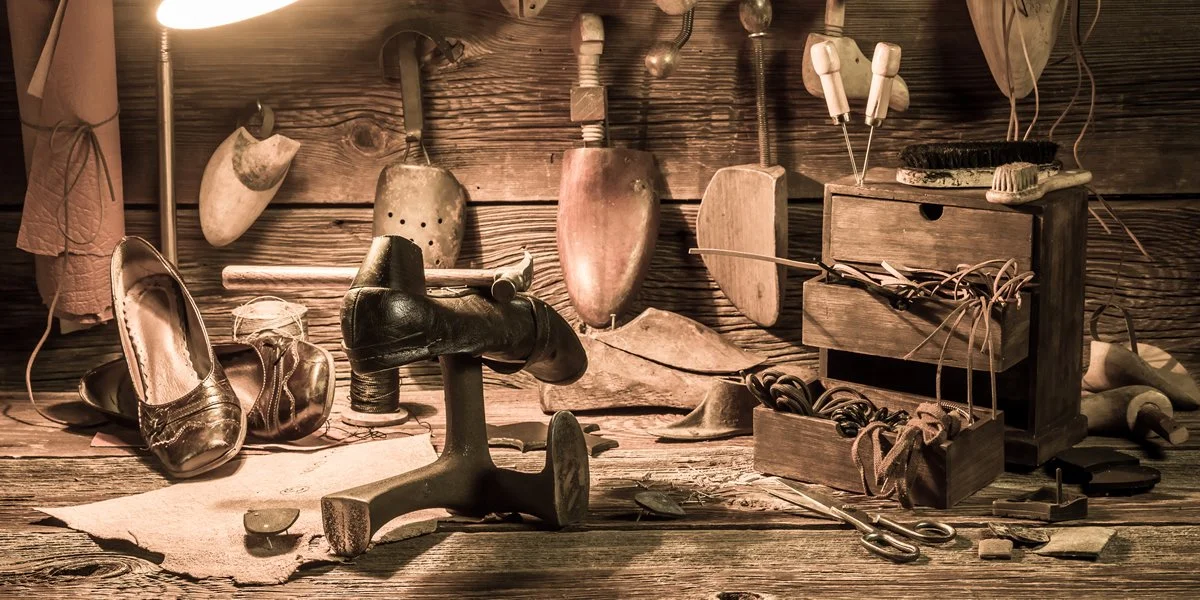
As America industrialized, the economy changed rapidly. Agricultural families who had produced much of what they needed gave way to wage earners dependent on industrialists. The cobbler who crafted shoes one at a time could not compete with factories using machines to cut production from days to hours. The industrialists, especially those with little compassion, became incredibly wealthy and entitled.
Family independence eroded as the farm and craftsman economy gave way to wages. There had always been employees, but to keep skilled help, compensation was a living wage. With industrialization, there were more workers than jobs and many were desperate.
Those who rejected that choice migrated to the frontier—almost always West and eventually north—where those willing to eke out a living searching for gold or trapping furs might thrive.
But it was only a matter of time until the industrial class followed them. Small logging groups became Timber companies. Small mines became Mineral Corporations. Still, wages paid in those environments were better than the sweat shops of the East.
Unfortunately, some of the wealthy from the East decided they were entitled to own the West. They manipulated congress to grant them concessions for resources local people believed were theirs. Worse, with little or no law enforcement in the territories, some simply muscled aside the local population, much of it Native American, or eliminated the opposition altogether.
Robber Barons is a story of how one small group of local people fought back; how they tried to use the law and even to change the law. It is also the story of how they used the same skills that allowed them to survive in the West to fight fire with fire.